

So you've bought that brand new bag. How will you keep it looking new even after 20 years?
Leather is a material of timeless elegance, a symbol of craftsmanship, and an investment that, when cared for correctly, can last a lifetime. However, not all leather is the same. If you've ever bought a luxury bag and wondered how to keep it looking pristine, this guide is for you.
Let me take you through a fool-proof way to identify your leather and the best ways to care for it.
"Love your leather, and it will love you back."
Step 1: Identifying Whether Your Leather Is Coated or Uncoated
Why This Matters
Before anything else, find out whether your leather has a surface finish. Coated and uncoated leathers have entirely different care needs, and treating one like the other is how good bags get ruined.
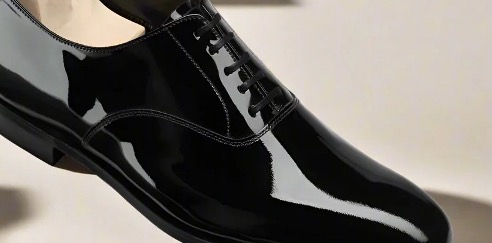
Coated leather has a protective film, usually polyurethane (PU) or acrylic resin, sealing the surface. You'll typically notice an embossed, regular texture rather than natural grain, and a uniform colour with no visible pores. Patent, pigmented and corrected-grain leathers are all coated.
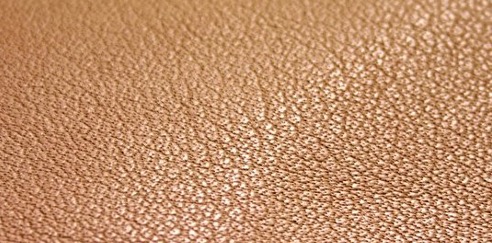
Uncoated leather is dyed through and left bare. It breathes, ages into a patina, and shows the hide's natural grain and markings, but it absorbs stains readily. Aniline, suede and nubuck have no coating at all. Full-grain often carries a very light one.
The quickest test: place a drop of water on a hidden spot. If it soaks in and darkens the leather within seconds, it's uncoated. If it sits on the surface and wipes away with no mark, it's coated.
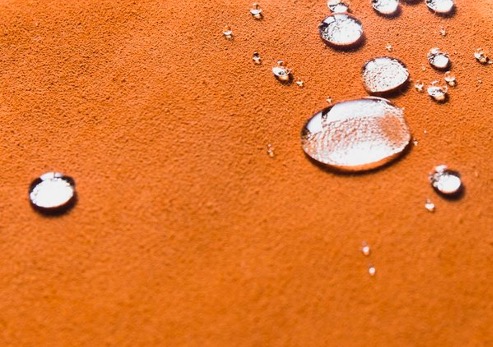
Once you know which you have, the care routines diverge sharply. Coated leather needs gentle cleaning and almost no conditioning, while uncoated needs regular conditioning and careful handling of spills.
→ Read the full guide: What Is Coated Leather? Coated vs Uncoated, Explained
How to Care for Coated vs Uncoated Leather
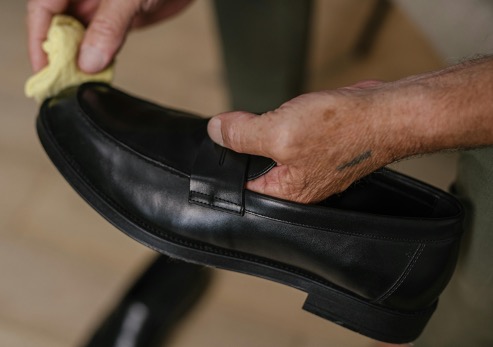
Coated leather (patent, pigmented, corrected grain):
- Wipe with a damp cloth and mild leather cleaner
- Buff with a microfibre cloth to maintain shine
- Avoid alcohol-based cleaners that may strip coatings
Uncoated leather (full-grain, aniline, suede, nubuck):
- Condition regularly to prevent drying
- Use a waterproof spray for protection
- Avoid excessive moisture and direct heat
Step 2: Identifying Leather Type by Flexibility and Scratch Resistance
1. Full-Grain Leather: The Best of the Best
Identification: scratch the surface lightly. If it marks but blends back over time, it's full-grain.
Feel: firm yet supple with natural imperfections and texture.
Care: use a leather balm to condition and enhance patina.
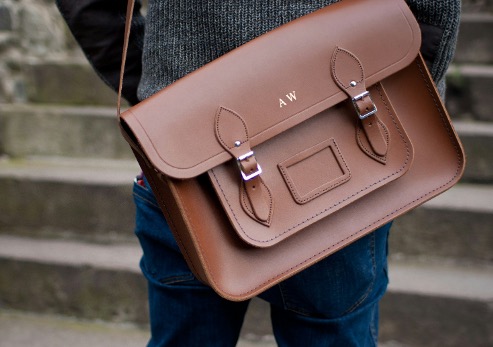
2. Top-Grain Leather: Smooth and Refined
Identification: bend it gently. Top-grain has some flexibility but feels slightly processed.
Feel: smooth, polished, and softer than full-grain.
Care: clean with a mild leather cleaner and condition occasionally.
3. Genuine Leather: Budget-Friendly but Less Durable
Identification: uniform texture, often embossed or painted to look like higher-quality leather.
Feel: lighter and thinner than top-grain or full-grain.
Care: use a leather conditioner but avoid over-wetting, as it can peel.
Step 3: Identifying Specialty Leather Types
1. Suede: Soft, Velvety and High-Maintenance
Identification: soft, fuzzy surface that changes direction when brushed.
Care: brush with a suede brush to maintain the nap, and use a protective suede spray. Never use water. Opt for a suede eraser for stains. Standard leather cleaners and conditioners, including ours, are not suitable for suede.
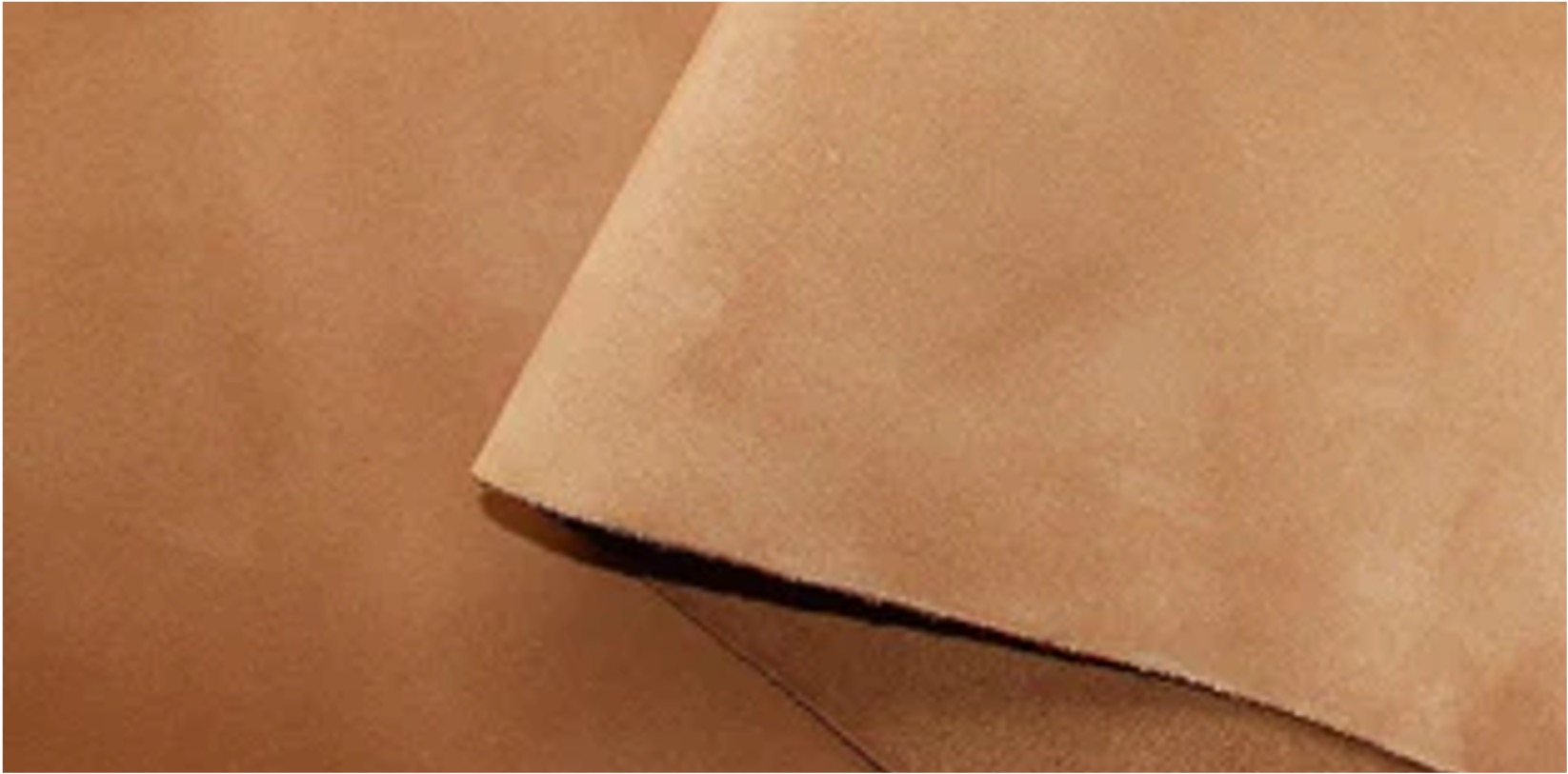
2. Nubuck: A Luxurious Upgrade to Suede
Identification: feels like suede but denser and more durable.
Care: use a nubuck cleaner and soft brush. Store in a breathable bag and avoid prolonged sun exposure to prevent fading. As with suede, standard leather cleaners are not suitable.
3. Patent Leather: The Glossy Showstopper
Identification: high-shine, stiff texture, smooth finish.
Care: wipe with a microfibre cloth to remove smudges and store separately to avoid scuffing. Do not use petroleum jelly or cooking oils to restore shine. Both are widely recommended online and both are wrong: petroleum products soften and degrade PU coatings over time, and plant oils oxidise, turn rancid and become a food source for mould. In a tropical climate that's actively risky. A gentle, pH-balanced cleaner is the safe option.
4. Lambskin: Soft, Luxurious and Delicate
Identification: extremely soft and smooth to the touch, with a fine grain and natural elasticity.
Care: use a gentle leather conditioner to keep it supple. Avoid sharp objects that may cause scratches, store in a breathable bag, and keep away from excessive moisture.
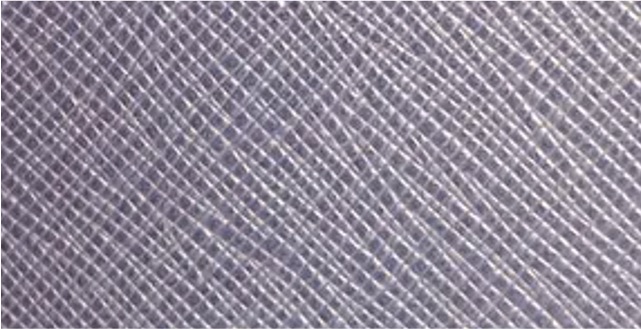
5. Saffiano Leather: The Scratch-Resistant Icon
Identification: cross-hatch embossed texture with a waxed finish, often seen in luxury handbags.
Care: wipe with a damp cloth for cleaning or use a gentle cleaner. If needed, use a leather conditioner very sparingly to prevent wax buildup, and store in a dust bag to maintain structure.
Step 4: Everyday Leather Care Routine
Regardless of the leather type, here are universal best practices to keep your bag in top condition.
- Store properly. Keep in a dust bag with tissue stuffing to maintain shape.
- Avoid overloading. Heavy contents can stretch the leather and weaken straps.
- Protect against moisture. If caught in the rain, blot dry immediately and let it air-dry naturally.
- Rotate usage. Avoid using the same bag daily to prevent excessive wear.
- Clean regularly. Wipe with a soft cloth and use appropriate cleaners based on leather type.
Final Tip: Always Check the Manufacturer's Label
Many designer bags include a label specifying the type of leather. If you're ever unsure, refer to the brand's website or consult a leather expert for maintenance recommendations.
By understanding the different types of leather and how to care for them, you ensure your investment pieces remain as beautiful as the day you bought them. Love your leather, and it will love you back for years to come.
The Anaya Leather Care Range
- No-Mould Leather Cleaner for finished smooth leather
- Leather Care, a 50g balm of beeswax, lanolin and lavender essential oil
- Anti-Mould Patches for storage protection, safe with all leather types including suede and nubuck
- Water & Stain Protector
Or see the full Anti-Mould Leather Care range.